Author: manager

  • Why Do Water Heater Elements Keep Failing?

    Why Do Water Heater Elements Keep Failing?

    The Hidden Problems That Burn Out Electric Water Heaters

    If your electric water heater keeps losing hot water or constantly needs new heating elements, the element itself usually isn’t the real problem. Replacing the element may temporarily restore hot water, but when elements repeatedly fail, there’s often an underlying issue causing the damage.

    Understanding why water heater elements burn out can help homeowners avoid frequent repairs and extend the life of their water heater.

    What Does a Water Heater Element Do?

    Electric water heaters use heating elements to heat the water inside the tank. Most units have an upper and lower element that cycle on and off throughout the day to maintain water temperature.

    When an element fails, you may notice:

    • Little or no hot water
    • Hot water running out quickly
    • Water that never gets fully hot
    • Higher electric bills
    • A breaker tripping repeatedly

    While elements naturally wear out over time, repeated failures usually point to a bigger issue.

    Hard Water Is One of the Biggest Causes

    One of the most common reasons heating elements fail is mineral buildup from hard water.

    When water contains high levels of calcium and magnesium, minerals begin collecting on the heating elements and inside the tank. Over time, the buildup acts like insulation around the element, forcing it to work harder and run hotter to heat the water.

    This overheating can cause:

    • Burned out elements
    • Reduced heating efficiency
    • Higher energy usage
    • Premature water heater failure

    Homes with hard water often experience much shorter element life than homes with softened water.

    Sediment Buildup Inside the Tank

    Sediment naturally settles at the bottom of the water heater over time. The lower heating element is especially vulnerable because it sits near the bottom of the tank where sediment collects.

    As sediment builds up:

    • The element becomes buried
    • Heat gets trapped around the element
    • The element overheats
    • Efficiency drops significantly

    Eventually the element can crack, short out, or completely fail.

    Regular maintenance and flushing can help reduce sediment buildup and extend the life of the heater.

    Dry Firing a Heating Element

    A heating element can burn out almost instantly if power is turned on before the tank is completely full of water. This is called dry firing.

    Dry firing often happens:

    • After a new water heater installation
    • During repairs
    • After draining the tank
    • When air pockets remain in the system

    Because the element is designed to be submerged in water, operating it dry causes extreme heat buildup and immediate failure.

    Thermostat Problems Can Damage Elements

    Sometimes the heating element isn’t the original problem at all. A faulty thermostat can cause the element to stay on too long or cycle improperly.

    This can lead to:

    • Overheating
    • Excessive wear
    • Repeated element burnout
    • Water temperatures becoming dangerously high

    If elements continue failing repeatedly, both the thermostat and electrical system should be inspected.

    Electrical Issues Can Shorten Element Life

    Loose wiring, incorrect voltage, or power surges can also damage water heater elements.

    Electrical issues may cause:

    • Elements to short out
    • Breakers to trip
    • Inconsistent heating
    • Premature failure

    Because electric water heaters draw significant power, proper wiring and connections are critical for safe operation.

    How to Prevent Water Heater Element Failure

    The best way to extend the life of your water heater elements is through regular maintenance and water quality protection.

    Helpful steps include:

    • Flushing the water heater regularly
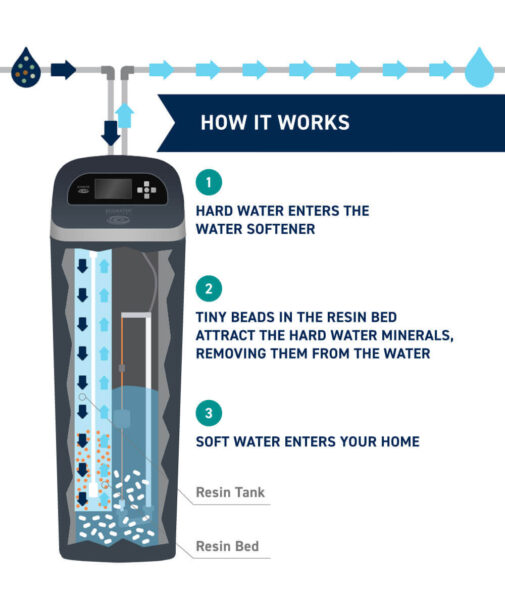
    • Installing a water softener if you have hard water
    • Checking thermostats and electrical connections
    • Replacing aging water heaters before major failure
    • Having the system professionally inspected when problems appear

    When It May Be Time to Replace the Water Heater

    If your water heater is older and repeatedly burning out elements, replacing individual parts may only provide temporary relief. In many cases, excessive sediment buildup inside the tank has already caused long-term damage.

    A professional inspection can help determine whether repair or replacement is the better long-term solution.

    Need Help With Water Heater Problems?

    If your electric water heater keeps burning out elements or struggling to keep up with hot water demand, we can help diagnose the real cause. From water heater repairs to replacements and water softener installation, we help homeowners protect their plumbing systems and avoid repeat problems.

  • When to Replace vs. Repair Your Water Heater: A Homeowner’s Guide

    When to Replace vs. Repair Your Water Heater: A Homeowner’s Guide

    If your water heater isn’t performing like it used to, you’re probably asking the big question: should you repair it or replace it? Making the right decision can save you money, prevent unexpected breakdowns, and ensure your home always has reliable hot water.

    In this guide, we’ll break down the key signs, costs, and considerations to help you decide what’s best for your situation.


    When a Water Heater Repair Makes Sense

    In many cases, a repair is the smarter and more affordable option—especially if the issue is minor and your system is still in good shape.

    Consider repairing your water heater if:

    1. It’s less than 8–10 years old
    Most traditional tank water heaters last around 8–12 years. If yours is still relatively new, a repair can extend its lifespan.

    2. The problem is small or isolated
    Issues like a faulty thermostat, heating element, or pressure relief valve are typically inexpensive to fix.

    3. There are no signs of tank damage
    If the tank itself is intact and not leaking, repairs are usually worthwhile.

    4. The unit has been well maintained
    Regular flushing and maintenance can keep your system in good condition, making repairs more effective.


    When It’s Time to Replace Your Water Heater

    Sometimes, putting money into an old or failing unit just doesn’t make sense. Here’s when replacement is the better investment:

    Consider replacing your water heater if:

    1. It’s over 10–12 years old
    Older units are more prone to failure and less energy-efficient than newer models.

    2. You notice rust or corrosion
    Rusty water or visible corrosion on the tank is a sign the unit is breaking down from the inside.

    3. The tank is leaking
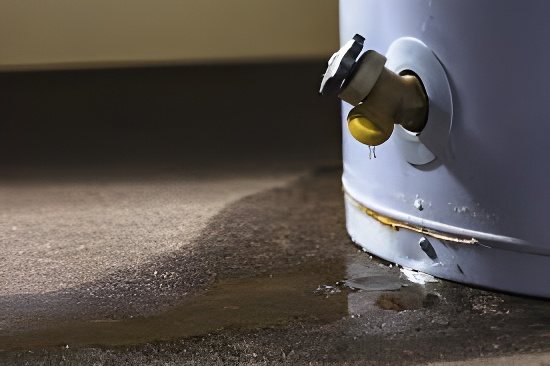
    A leaking tank is usually not repairable. Once the tank itself fails, replacement is the only option.

    4. You’re running out of hot water frequently
    This could indicate your system is no longer keeping up with your household’s needs.

    5. Repairs are becoming frequent or expensive
    If you’re calling for repairs more often, those costs can quickly add up—making replacement the smarter long-term choice.


    Repair vs. Replacement Cost: What to Consider

    A good rule of thumb:

    • If the repair costs more than 50% of the price of a new unit, replacement is usually the better option.
    • Newer water heaters are more energy-efficient, which can reduce your monthly utility bills.
    • Replacing your system can also help you avoid emergency breakdowns and water damage.


    The Importance of Professional Inspection

    Sometimes, the decision isn’t obvious. A professional inspection can:

    • Identify the exact cause of the issue
    • Estimate repair vs. replacement costs
    • Help you avoid unnecessary expenses
    • Ensure your system is properly sized and installed

    ✅ Final Thoughts

    Choosing between repairing or replacing your water heater comes down to age, condition, cost, and reliability. While repairs can be a quick fix, investing in a new unit often provides better performance, efficiency, and peace of mind in the long run.

    If you’re unsure what to do, having your system evaluated by a professional is the best first step.


    Need Help With Your Water Heater?

    Whether you need a quick repair or a full replacement, our team can help you make the right decision for your home and budget. We also offer no interest financing options to make upgrades more affordable.

    Contact us today to schedule an inspection or get a quote.

  • “Flushable” Wipes: The Truth Behind the Label

    “Flushable” Wipes: The Truth Behind the Label

    If you’ve ever reached for a package of “flushable” wipes, you’re not alone. They’re convenient, feel more effective than toilet paper, and the label makes it seem like they’re perfectly safe for your plumbing. Unfortunately, that label can be misleading—and in many cases, costly.

    Why “Flushable” Doesn’t Mean Safe

    Unlike toilet paper, which is specifically designed to break down quickly in water, most flushable wipes are made with durable fibers that hold together. That’s great for cleaning—but terrible for your pipes.

    When you flush a wipe, it doesn’t disintegrate the way toilet paper does. Instead, it travels through your plumbing system mostly intact. Over time, these wipes can snag on rough spots inside your pipes, roots in sewer lines, or buildup already forming in your system.

    The Real Problem: Buildup and Blockages

    One wipe might not seem like a big deal—but it rarely stops at just one. As more wipes are flushed, they begin to collect and tangle together. Add in grease, soap residue, hair, and other debris, and you’ve got the perfect recipe for a serious clog.

    In severe cases, these blockages can form what are commonly referred to as “fatbergs”—large, solid masses that can completely obstruct pipes. These aren’t just a hassle—they can lead to sewage backups into your home, unpleasant odors, and expensive repairs.

    It’s Not Just Your Home

    Flushable wipes don’t just cause problems in residential plumbing—they also create major issues for city sewer systems. Municipalities across the country spend millions of dollars every year clearing out wipes and repairing damage they cause.

    Even if your home’s plumbing seems to handle wipes fine at first, the problem often shows up further down the line—literally.

    Warning Signs You May Have a Problem

    If you’ve been flushing wipes, here are a few signs that trouble could be building:

    • Slow draining sinks, tubs, or toilets
    • Frequent toilet clogs
    • Gurgling noises in your pipes
    • Sewage odors in or around your home
    • Water backing up in drains

    Ignoring these signs can allow a small issue to turn into a major repair.

    The Simple Rule to Follow

    When it comes to your toilet, the rule is simple: only flush toilet paper. Everything else—including wipes, paper towels, feminine products, and hygiene items—should go in the trash.

    It may seem like a small change, but it can save you from significant plumbing problems down the road.

    How to Protect Your Plumbing

    Preventing clogs and keeping your plumbing system in good condition doesn’t have to be complicated. A few simple habits can make a big difference:

    • Avoid flushing anything other than toilet paper
    • Be mindful of grease and food waste going down drains
    • Schedule routine drain cleaning and maintenance
    • Address slow drains early before they worsen

    When to Call a Professional

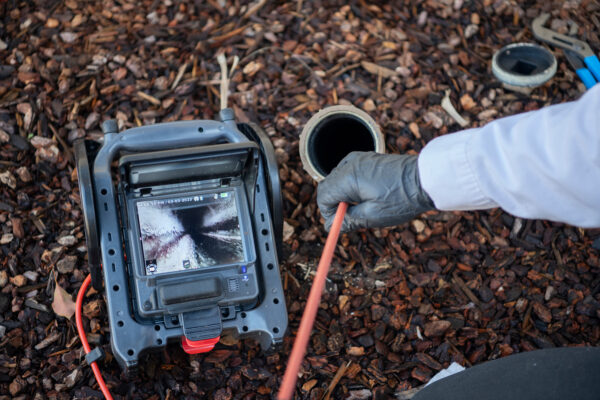
    If you suspect wipes have already caused buildup or a clog, it’s best to have a professional take a look. Tools like sewer cameras can identify the exact location and cause of a blockage, and methods like hydro jetting can safely clear out stubborn debris. Trying to fix a major clog on your own can sometimes push the problem further down the line—or make it worse.

    Water Heater Man can help you deal with this issue and keep your plumbing running smooth!


    Flushable wipes may seem harmless, but the reality is they’re one of the most common causes of plumbing issues we see today. Understanding the risks and making a small change in your habits can help you avoid messy, expensive problems in the future.

    If your drains aren’t flowing like they should, don’t wait—getting ahead of the issue now can save you time, money, and stress later.

  • The Truth About Tankless Water Heaters

    The Truth About Tankless Water Heaters

    Why Tankless Water Heaters May Not Be the Best Fit for Every Home

    Tankless water heaters have become a popular upgrade in recent years. Many homeowners are drawn to the idea of endless hot water and improved efficiency. While these systems can be a great option in some situations, they are not always the best fit for every home. Before making the switch, it’s important to understand some of the potential downsides.

    Higher Upfront Cost

    One of the biggest drawbacks of tankless water heaters is the initial cost. Tankless systems typically cost 2-3 times more than traditional tank-style water heaters. In addition to the unit itself being more expensive, installation costs can also be higher. Many homes require electrical upgrades, gas line upgrades, or special venting to support a tankless system.

    For homeowners on a budget, a traditional tank water heater is often a much more affordable option.

    Gas or Propane Is Often Required

    Most tankless water heaters installed in homes run on natural gas or propane. That’s because electric tankless water heaters require a very large amount of electricity to operate. In many cases, the electrical demand exceeds what a typical residential electrical panel can support without significant upgrades.

    Because of this, most homes simply are not equipped to run an electric tankless water heater without major electrical modifications. Homes without access to natural gas or propane may find that installing a tankless system is not practical or cost-effective.

    Limited Flow Rate

    Tankless water heaters heat water on demand rather than storing it in a tank. While this provides continuous hot water, there is still a limit to how much water the system can heat at once. If multiple appliances are running simultaneously—such as a shower, washing machine, and dishwasher—you may experience reduced water temperature.

    In larger households where several fixtures run at the same time, a single tankless unit may struggle to keep up without installing multiple systems.

    Retrofit Challenges

    Many homes were designed with tank-style water heaters in mind. Switching to a tankless unit often requires modifications such as:

    • Larger gas supply lines
    • New venting systems
    • Electrical upgrades
    • Relocating plumbing connections

    These upgrades can quickly increase the overall installation cost and complexity.

    Regular Maintenance Is Required

    Tankless systems require regular maintenance to operate efficiently. Mineral buildup from hard water—commonly called limescale—can affect performance and shorten the lifespan of the unit if it isn’t properly maintained.

    Electric tankless water heaters are particularly susceptible to limescale buildup because the heating elements come into direct contact with the water. This buildup can accumulate quickly and reduce efficiency or damage components if not addressed.

    Most manufacturers recommend biannual flushes (twice per year) to remove mineral buildup and keep the heat exchanger or heating elements working properly. Skipping this maintenance can lead to reduced efficiency, costly repairs, and even voided warranties and is even more important in areas where the water contains high mineral content like ours.

    Traditional tank water heaters are generally simpler and typically require less routine maintenance.

    Higher Repair Costs

    Because tankless systems use advanced electronics and specialized components, repairs can be more expensive compared to traditional tank heaters. Replacement parts and service calls may cost more, especially if a technician with tankless experience is required.

    Not Always the Most Cost-Effective Option

    Although tankless systems are often marketed as energy-saving solutions, the actual savings can vary. For homes with moderate hot water usage, it can take many years for energy savings to offset the higher purchase and installation cost.

    When Tankless Might Not Be Ideal

    Tankless water heaters may not be the best choice if:

    • Your home has high simultaneous hot water demand
    • Your plumbing or gas system would require major upgrades
    • You do not have natural gas or propane available
    • You want the lowest upfront cost
    • You prefer simpler equipment with lower repair costs

    Proper Sizing Is Critical

    A tankless water heater must be properly sized for your home’s hot water needs. If it is too small, it may struggle to keep up during periods of high demand, leaving showers lukewarm or appliances running inefficiently. Conversely, oversizing a unit can lead to unnecessary costs without providing significant benefits. Working with a qualified plumber ensures your tankless system is correctly sized based on the number of bathrooms, appliances, and peak usage patterns in your home.

    The Bottom Line

    Tankless water heaters offer some great benefits, but they aren’t automatically the best solution for every household. In many cases, a high-quality tank water heater can provide reliable hot water at a lower cost and with fewer installation challenges.

    The best option ultimately depends on your home’s setup, your hot water usage, and your long-term goals. A qualified plumbing professional can help evaluate your system, properly size a tankless unit if that’s the right choice, and recommend the water heater that makes the most sense for your home.

  • How Sewer Smoke Testing Works and How It Can Save You Money

    How Sewer Smoke Testing Works and How It Can Save You Money

    Sewer line smoke testing is a straightforward process that delivers immediate results. When you schedule smoke testing with Water Heater Man, here’s what typically happens:

    First, drain openings and roof vents are properly sealed. A smoke-generating machine is then connected to the sewer system. The smoke is gently pushed through the pipes under controlled pressure. Wherever smoke escapes, a defect is present.

    This method allows us to find:

    • Cracked or broken sewer pipes
    • Missing or damaged cleanouts
    • Improper drain or vent connections
    • Leaks inside walls or under slabs
    • Dry or damaged P-traps

    Because smoke testing shows the exact location of the issue, repairs are more precise. That often means less excavation, fewer repairs, and lower overall costs compared to exploratory digging or repeated service calls.

    For homeowners in the local area, smoke testing can prevent small sewer issues from turning into emergencies—saving time, stress, and money in the long run.

  • Signs Your Home May Need Sewer Line Smoke Testing

    Signs Your Home May Need Sewer Line Smoke Testing

    Many sewer line problems start small but worsen over time. Smoke testing is often recommended when homeowners notice symptoms that don’t have an obvious cause.

    You may benefit from sewer line smoke testing if you experience:

    • Persistent sewer or rotten egg odors inside or outside your home
    • Gurgling sounds from drains or toilets
    • Frequent sewer backups or overflows
    • Slow drains throughout multiple fixtures
    • Odors that become stronger after rain
    • Unexplained moisture near the foundation or in the yard

    These signs often point to cracks, leaks, or improper connections in the sewer or venting system. Traditional camera inspections may not always detect these issues, especially if they are above ground or outside the camera’s view.

    Smoke testing allows Water Heater Man to visually confirm the source of the problem, helping us recommend the most effective repair instead of trial-and-error solutions.

  • Is Sewer Line Smoke Testing Safe for Homes and Families?

    Is Sewer Line Smoke Testing Safe for Homes and Families?

    One of the most common questions we get at Water Heater Man is whether sewer smoke testing is safe. The answer is yes—completely safe when performed by a professional plumber.

    The smoke used in sewer testing is:

    • Non-toxic
    • Non-flammable
    • Non-staining
    • Safe for people, pets, and plants

    The smoke may have a light odor, similar to incense, but it dissipates quickly and does not cause harm. Municipalities and licensed plumbing companies across the country use this same testing method.

    If smoke enters your home during testing, it doesn’t mean anything dangerous is happening. It simply means there’s a plumbing issue—such as a dry P-trap, cracked pipe, or venting problem—that needs attention. In fact, smoke entering the home is valuable information because it helps us identify problems that would otherwise remain hidden.

    At Water Heater Man, we take every precaution to ensure the process is clean, controlled, and respectful of your home while delivering accurate results.

  • What Is Sewer Line Smoke Testing and Why Is It Done?

    What Is Sewer Line Smoke Testing and Why Is It Done?

    Sewer line problems aren’t always obvious. Many homeowners deal with sewer odors, slow drains, or recurring backups without knowing where the issue is coming from. That’s where sewer line smoke testing comes in.

    At Water Heater Man, we use sewer smoke testing as a diagnostic tool to locate hidden sewer and venting problems that can’t always be seen with a camera inspection alone. Smoke testing involves introducing a safe, non-toxic smoke into your home’s sewer system. The smoke travels through the pipes and exits wherever there is a leak, crack, or improper connection.

    If smoke appears from the ground, foundation, walls, roofline, or inside the home, it tells us exactly where the problem is. This allows us to pinpoint issues such as broken sewer lines, missing traps, or faulty venting—without unnecessary digging or guesswork.

    For homeowners, smoke testing is often the fastest way to identify sewer issues before they turn into costly repairs or major property damage.

  • Signs You Need Drain Cleaning and How It Can Save You Money

    Signs You Need Drain Cleaning and How It Can Save You Money

    Drain problems usually give warning signs before turning into emergencies. Recognizing those signs early can save you time, money, and frustration.

    Common signs you may need professional drain cleaning include:

    • Slow draining sinks, tubs, or showers
    • Frequent clogs in the same drain
    • Gurgling noises from pipes
    • Foul odors coming from drains
    • Water backing up into tubs or floor drains

    Ignoring these symptoms can lead to sewer backups, water damage, and pipe failure. Professional drain cleaning addresses the root cause before it escalates.

    At Water Heater Man, we focus on preventative drain maintenance whenever possible. Regular cleaning helps extend the life of your plumbing system and reduces the risk of unexpected breakdowns.

    For homeowners in the local area, investing in drain cleaning now often prevents expensive repairs later.

  • What Is Hydro Jetting and When Is It Needed?

    What Is Hydro Jetting and When Is It Needed?

    Some drain problems require more than traditional cleaning methods. Hydro jetting is one of the most powerful and effective ways to clean drains and sewer lines.

    Hydro jetting uses high-pressure water to scour the inside of pipes, removing:

    • Heavy grease buildup
    • Sludge and debris
    • Mineral scale
    • Tree roots
    • Hardened residue that snaking can’t remove

    Unlike drain snakes, which punch a hole through a clog, hydro jetting cleans the entire pipe wall. This restores maximum flow and significantly reduces the chance of future blockages.

    At Water Heater Man, we often recommend hydro jetting for:

    • Commercial or high-use drains
    • Severe or recurring clogs
    • Grease-heavy kitchen lines
    • Sewer lines with root intrusion

    When used correctly by a professional, hydro jetting is safe for most plumbing systems and delivers long-lasting results.